
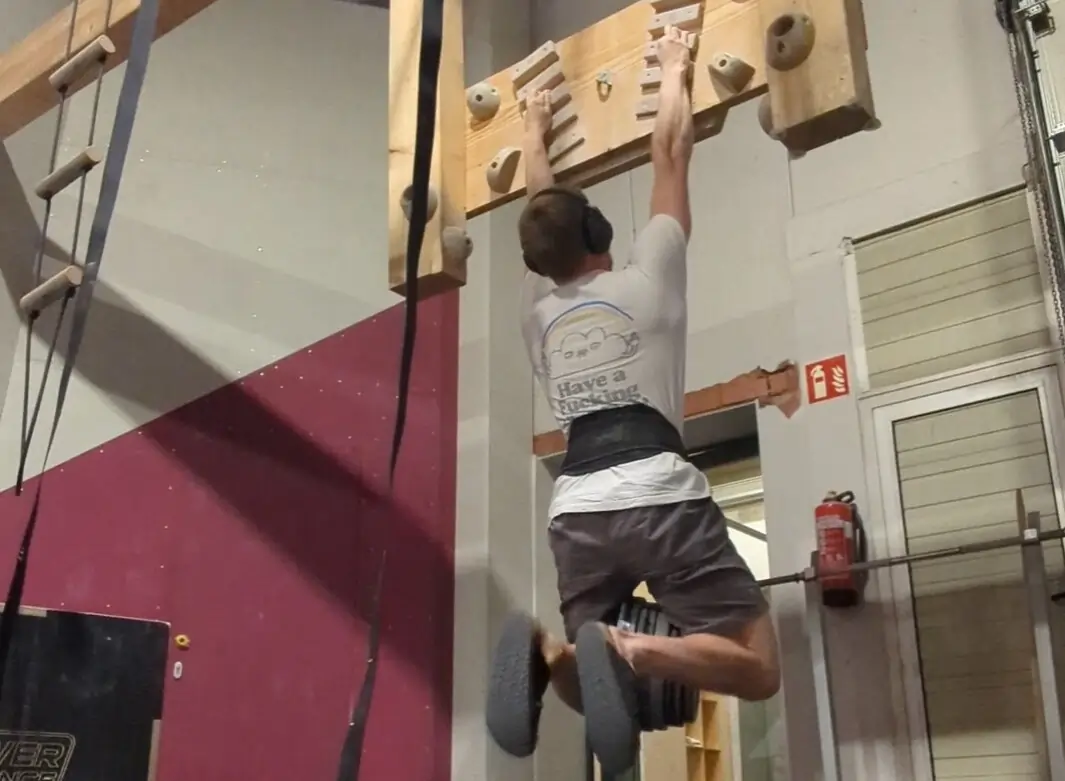
Maximize Your Climbing Strength with Finger Training
Climbing demands a powerful synergy of raw strength, refined technique, and strategic thinking. As climbers, we are always on the lookout for ways to elevate our performance on challenging routes.
Equally important is the prevention of frustrating injuries that can prematurely end a climbing season. A critical, yet sometimes overlooked, component in this quest is robust finger strength.
This article will delve into targeted finger strength training techniques. These methods are designed not only to significantly boost your climbing performance but also to play a crucial role in effective injury prevention.
Understanding the Pivotal Role of Finger Strength
Before diving into specific training methodologies, it’s essential to grasp the fundamental importance of finger strength in climbing. Our fingers are the primary interface, instrumental in gripping diverse holds.
These holds range from the tiniest crimps to the most generous jugs. The sheer strength and overall health of our fingers directly correlate with our climbing efficacy and long-term durability on the rock or wall.
Why Superior Finger Strength is Non-Negotiable
- Versatile Grip Types: Climbers employ a variety of grips—crimps, open-handed, and pinches—contingent on the hold’s characteristics. Robust fingers ensure a more efficient and secure grip across all these variations.
- Enhanced Body Positioning: Adequately developed finger strength empowers climbers to maintain superior body positions against the wall. This facilitates more powerful and precise movements.
- Proactive Injury Prevention: Strong and conditioned fingers are your first line of defense against common climbing-related injuries, such as debilitating finger strains and painful pulley tears.
Building Unyielding Finger Strength: Techniques & Essential Exercises
With a clear understanding of its significance, let’s explore a range of practical finger training techniques. Climbers across all skill levels can seamlessly integrate these into their regular training regimens.
1. Hangboard Training: Your Path to Ironclad Fingers
The hangboard stands as one of the most empirically proven methods for developing profound finger strength. Here’s a guide to training effectively on a hangboard.
- Thorough Warm-Up is Paramount: Always initiate your session with a comprehensive warm-up to prime your body and minimize injury risk. Dynamic stretches and light climbing are highly recommended.
- Strategic Hold Selection: Commence with larger, more forgiving holds and progressively transition to smaller grips as your strength improves. Crucially, vary your grip types—incorporate open-handed, half-crimp, and full-crimp positions.
- Precision with Timers: A widely adopted method involves hanging for 7 seconds, followed by a 3-5 second rest interval. Aim for a total of 6-8 repetitions per set.
- Prioritize Rest and Recovery: Allow your fingers ample time for recovery. This translates to a minimum of 48 hours of rest between intense hangboard sessions to facilitate muscle repair and adaptation.
2. Finger Curls & Resistance Band Exercises: Holistic Hand Health & Strength
Integrating light weights or resistance bands can not only amplify finger strength but also fortify the crucial tendons within your hands. Consider these targeted exercises:
- Finger Curls: Grasp a light dumbbell and methodically flex your fingers while maintaining a firm hold. Target 3 sets of 10-15 repetitions to build endurance and strength.
- Resistance Band Extensions: Loop a rubber band around your fingers and actively open your hand against the band's resistance. This exercise is vital for balancing finger muscles and preventing potential imbalances.
3. Climbing-Specific Strength Workouts: Applying Power on Rock & Wall
Integrating the following exercises directly into your regular climbing sessions can synergistically bolster your finger strength. This approach strengthens your fingers while actively climbing.
- Focus on Smaller Holds: Intentionally seek out and prioritize climbs that demand a higher degree of finger strength. Focus on routes specifically designed to cultivate grip power.
- Dynamic Movement Integration: Practice dynamic movements that inherently challenge your grip. This approach will also refine your body movement and fluidity on the wall.
- Controlled Limit Bouldering Sessions: Engage in short, highly intense bouldering sessions concentrating on complex problems. This can rapidly develop finger strength, but it's crucial to limit these sessions to prevent overtraining and injury.
Injury Prevention: The Cornerstone of Long-Term Climbing Success
As passionate as we are about training, we must never lose sight of the paramount importance of remaining injury-free. Here are some essential injury prevention tips to keep you climbing strong.
- Heed Your Body's Signals: Pain is an unambiguous indicator that something may be amiss. If you experience any discomfort, take an immediate break and critically assess your training load and technique.
- Integrate Ample Rest Days: Ensure your training schedule deliberately incorporates sufficient rest days. This allows for comprehensive physical recovery and adaptation.
- Embrace Cross-Training: Participate in complementary forms of training that strengthen supporting muscle groups without unduly stressing your fingers. Examples include core workouts, antagonist muscle training, or yoga.
- Refine Your Technique: Suboptimal climbing technique is a frequent precursor to injuries. Invest time in ensuring your climbing technique is solid and consider collaborating with a qualified coach for personalized guidance.
Conclusion: Your Fingers – The Ultimate Key to Climbing Mastery
Maximizing your climbing potential necessitates a holistic and comprehensive approach. Dedicated finger strength training represents an absolutely integral component of this journey.
By thoughtfully integrating targeted exercises into your routine, you will not only significantly enhance your performance but also robustly protect your fingers from potential injuries.
Remember, climbing is a marathon, not a frantic sprint—so take your time, diligently listen to your body, and wholeheartedly savor every ascent. Happy climbing!
Ready to elevate your finger strength to unprecedented levels? Discover how NextGrade can empower you with scientifically-backed training plans to achieve your climbing aspirations!